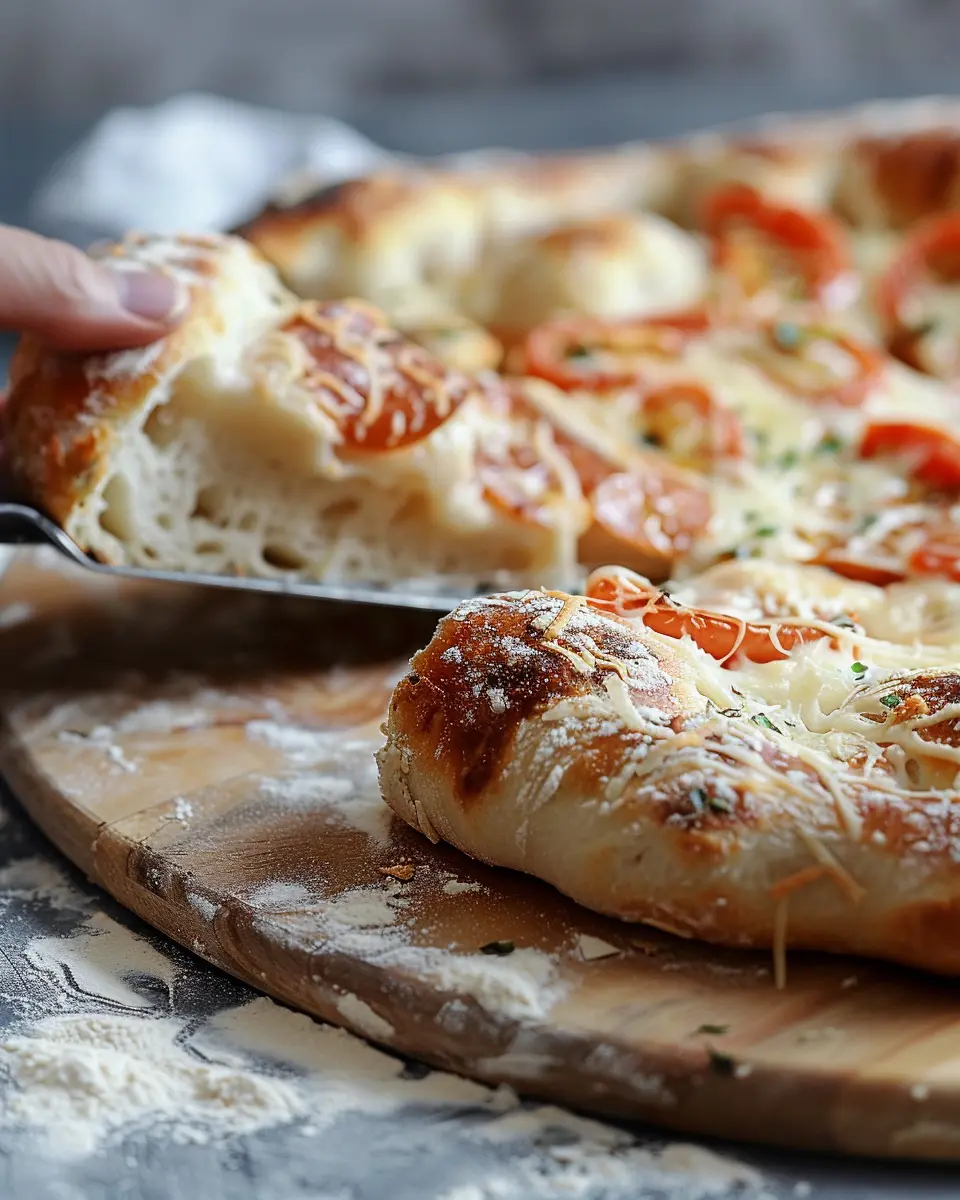
Introduction to Artisan Pizza Dough
Have you ever bitten into a slice of pizza that had an incredible crust—crispy on the outside, chewy on the inside, and bursting with flavor? That’s the magic of artisan pizza dough, and making it at home can transform your pizza nights into something spectacular.
Why Make Your Own Artisan Pizza Dough?
Crafting your own artisan pizza dough is a rewarding experience that brings a host of benefits. First and foremost, it allows you to take control of the ingredients, ensuring everything is fresh and tailored to your preferences. Store-bought options can often contain preservatives and additives, which you can easily avoid at home. Instead, you’ll just need a handful of ingredients: high-quality flour, water, yeast, salt, and perhaps a splash of olive oil for a bit of richness.
Another reason to embark on this culinary adventure is the boundless creativity it invites. You can experiment with different flours, hydration levels, and fermentation times, which ultimately leads to a dough that’s uniquely yours. According to a study from the Journal of Culinary Arts, homemade pizza tops the list of favorite at-home meals for 85% of families—a testament to its popularity and versatility.
Plus, making artisan pizza dough can be a wonderfully social activity. Invite friends over for pizza-making night, and let everyone build their dream toppings. This way, you create not just a meal, but also cherished memories around the kitchen counter. If you’re worried about the time commitment, remember that this dough can be made in advance and kept in the refrigerator for up to five days. The longer it rests, the more complex the flavor becomes.
Whether you’re a pizza novice or a seasoned chef, learning how to create artisan pizza dough opens up a world of flavors and textures. For those interested in diving deeper, the BBC Good Food website offers great tips on various dough techniques to enhance your skills. So, are you ready to roll up your sleeves and dive into the delightful world of pizza-making? Your taste buds will thank you!
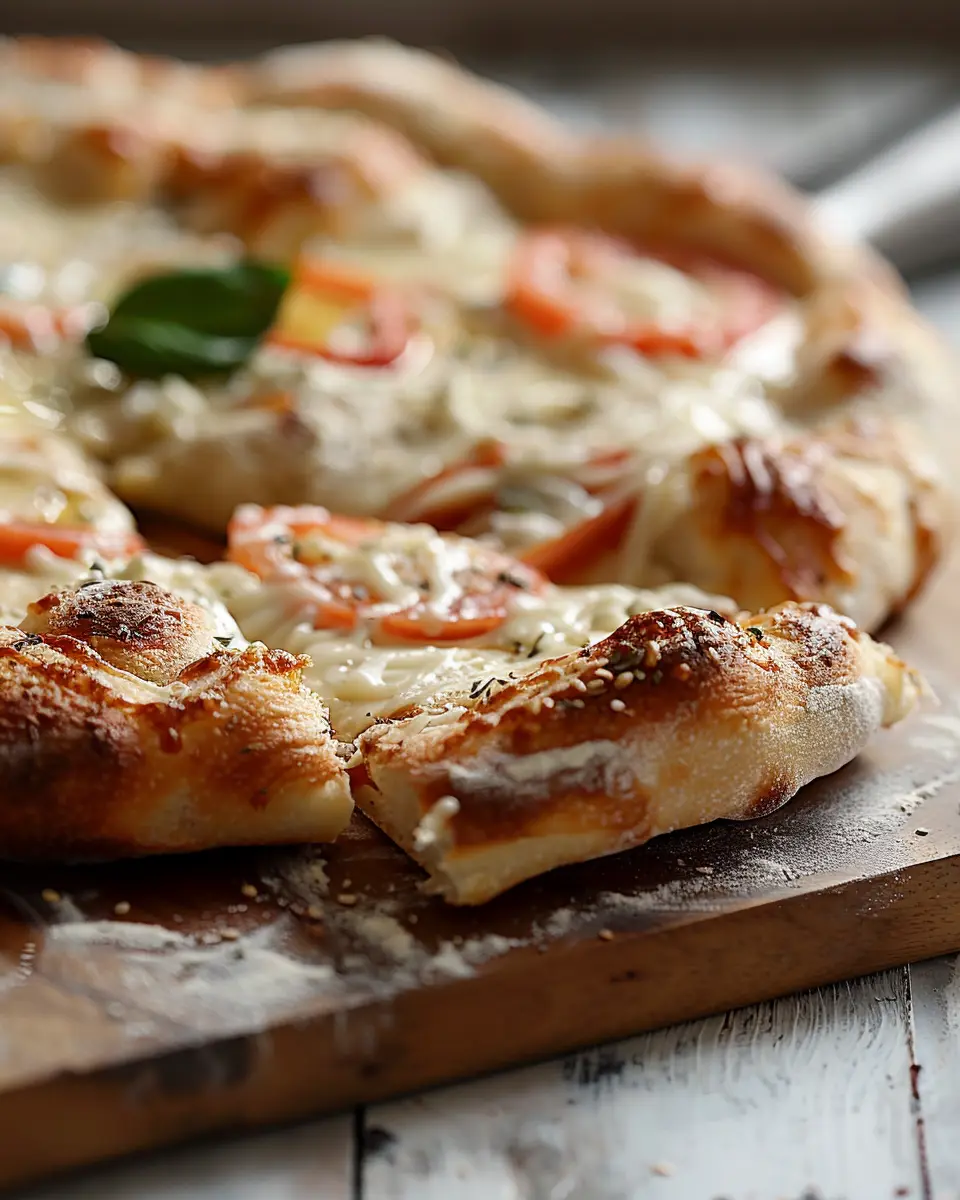
Ingredients for Artisan Pizza Dough
Essential ingredients for the perfect dough
Creating a delightful artisan pizza dough starts with high-quality ingredients. Here’s what you’ll need:
- All-purpose flour: The backbone of your dough. Opt for unbleached flour for a chewier texture.
- Warm water: Activates the yeast; around 110°F is ideal.
- Active dry yeast: This will make your dough rise and give it that lovely airy structure.
- Salt: Enhances flavor and strengthens the dough.
- Olive oil: Adds a touch of richness and helps create that crispy crust.
These basic components are essential for any great pizza dough. For an in-depth look, check out this article on different types of pizza.
Optional add-ins for extra flavor
To elevate your artisan pizza dough, consider adding:
- Honey or sugar: A hint of sweetness can balance the acidity of your sauce.
- Herbs and spices: Dried oregano, garlic powder, or even a dash of red pepper flakes can add depth.
- Semolina flour: A sprinkle in your dough can provide extra texture and a unique taste.
Feel free to experiment! Using these add-ins can turn an ordinary pizza night into something truly special.
Preparing Artisan Pizza Dough
Making your own artisan pizza dough at home might seem a bit daunting at first, but trust me, it’s one of the most rewarding culinary adventures you can embark on. This dough is the foundation of an amazing pizza that will impress your friends and family. Let’s dive into the steps required to create this delicious base!
Gather your ingredients
The first step in making your artisan pizza dough is to gather your ingredients. Simplicity is key here. You’ll need:
- 2 cups of all-purpose flour (plus extra for dusting)
- 1 cup of warm water (around 110°F)
- 1 teaspoon of salt
- 1 tablespoon of sugar
- 1 packet (2¼ teaspoons) of active dry yeast
- Optional: A drizzle of olive oil for extra flavor
Make sure to use high-quality ingredients for the best results. Fresh flour and yeast can make a significant difference. If you’re looking for quality flour, consider checking out sources like King Arthur Baking.
Mix the flour and water
Now that you’ve gathered your ingredients, it’s time to get mixing! Start by dissolving the sugar and yeast in the warm water. Allow it to rest for about 5-10 minutes until it becomes frothy – this means your yeast is activated and ready to work.
In a large mixing bowl, combine the flour and salt. When the yeast is ready, pour the warm water mixture into the flour mix. Stir until it forms a rough dough.
A tip here: If you’re not using a stand mixer, a wooden spoon works perfectly to combine your ingredients. It’s essential to make sure the dough gets a good initial mix so all ingredients start working together harmoniously.
Knead the dough like a pro
Once your ingredients are combined, it’s time for the fun part: kneading! Turn the dough out onto a lightly floured surface. Knead the dough for about 8-10 minutes. You’ll want to develop that gluten structure, which gives your artisan pizza dough its signature chewiness.
While kneading, don’t hesitate to get a little messy. A good tip is to push the dough away from you with the heel of your hand and then fold it back over itself. This method also allows you to work out any frustrations from your day! If your dough is sticky, sprinkle a bit more flour as needed, but avoid adding too much.
Let it rise to perfection
After you’ve kneaded the dough, it’s time for it to rise. Lightly coat a bowl with olive oil, place your dough inside, and cover it with a damp cloth or plastic wrap. You’ll want to let it rise in a warm spot for about 1-2 hours, or until it’s doubled in size.
This step is crucial because it allows the yeast to create bubbles, giving your dough its airy and light texture. Think of it as a mini workout for your dough. While you wait, why not prep your toppings? Check out ideas for tasty toppings that are perfect to elevate your pizza night!
Shape your artisan pizza dough
Once the dough has risen, it’s time to unleash your creativity. Punch the dough down gently to release the air and turn it onto a slightly floured surface. Divide the dough into portions — this recipe usually makes about two medium pizzas.
To shape your artisan pizza dough, gently stretch it using your hands. You can use a rolling pin if you prefer, but be careful not to roll out all the air. Just a light hand will do! Aim for a rustic shape; perfection isn’t necessary here! You can discard excess flour from the surface to ensure the dough maintains its flavor.
And there you have it! When you’re done shaping, your artisan pizza dough is ready to be topped and baked to crispy, golden perfection. Enjoy your homemade pizza adventure!
For more tips on pizza-making, consider checking out resources from the American Culinary Federation for professional insights and techniques.
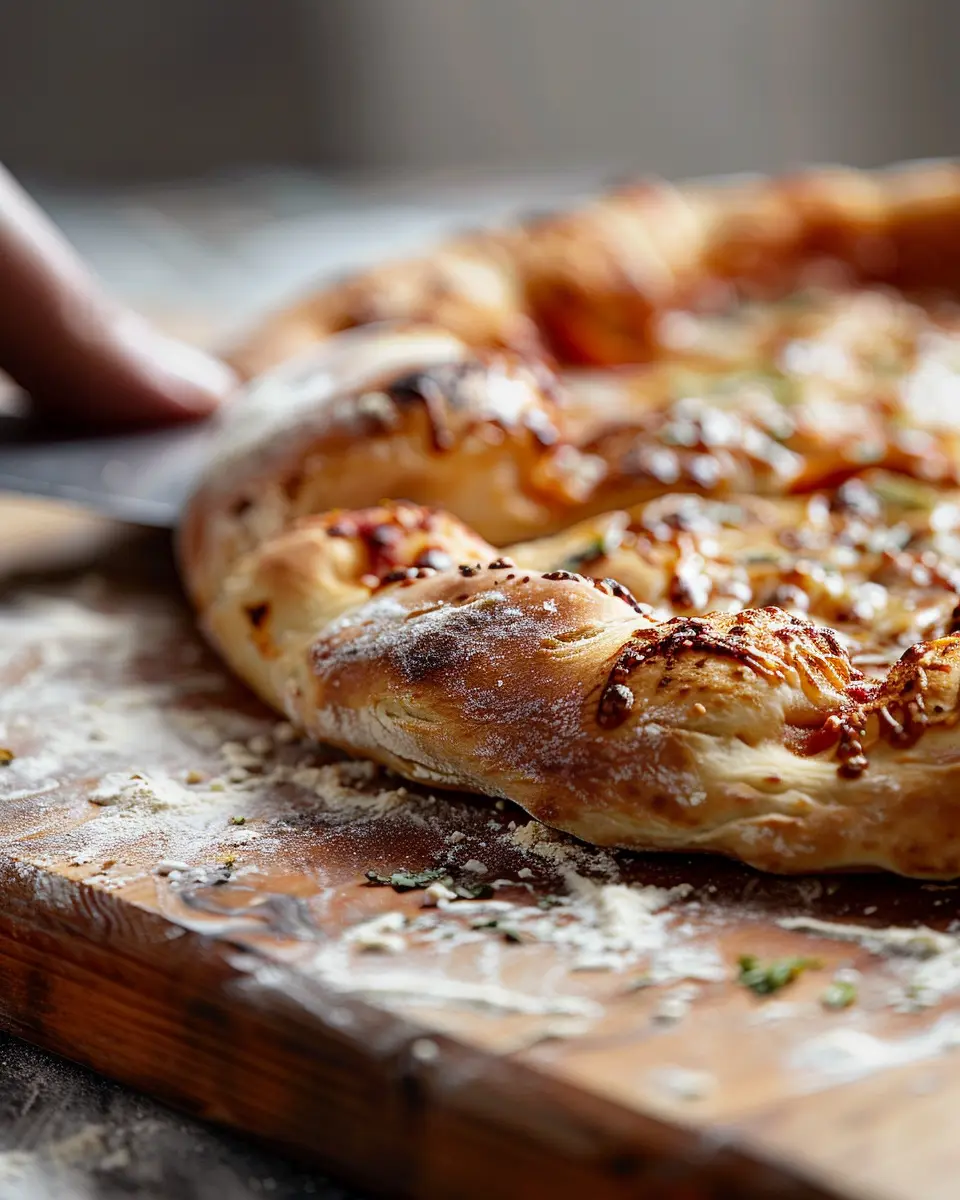
Variations on Artisan Pizza Dough
Artisan pizza dough is incredibly versatile, and once you’ve mastered the basics, you can easily switch things up to keep your pizzas exciting. Here are a couple of delicious variations to consider:
Whole Wheat Artisan Pizza Dough
If you’re looking for a healthier twist, whole wheat artisan pizza dough is a fantastic option. Whole wheat flour not only adds a nutty flavor but also packs in extra nutrients and fiber. To make this dough, simply:
- Replace half the all-purpose flour with whole wheat flour.
- Add 1-2 tablespoons of olive oil to enhance texture. This keeps the dough pliable and adds richness.
- Increase the water slightly (about 1-2 tablespoons) since whole wheat flour absorbs more liquid than white flour.
This variation not only boosts the health factor but also gives your pizzas a rustic feel, making them feel even more artisanal. If you’re curious about the health benefits of whole grains, check out this resource from the Whole Grains Council.
Herb-Infused Artisan Pizza Dough
For a burst of flavor, consider making herb-infused artisan pizza dough. Adding fresh or dried herbs to the dough elevates your pizza game without much effort. Here’s how you can do it:
- Add 1-2 tablespoons of finely chopped fresh herbs like basil, oregano, or rosemary directly into the dry ingredients.
- Alternatively, incorporate a teaspoon of dried herb mix for a more concentrated taste.
This aromatic dough is especially delightful with Mediterranean toppings. Imagine biting into a slice and enjoying that herbaceous aroma—it’s simply irresistible!
With these variations, your pizza night will never be boring again. Do you have a favorite pizza flavor combo you’d like to try?
Cooking Tips and Notes for Artisan Pizza Dough
Common Mistakes to Avoid
Creating the perfect artisan pizza dough can be a rewarding experience, but there are some pitfalls to watch out for. One common mistake is using water that’s too hot; it can kill the yeast, resulting in a flat crust. Also, be mindful of your flour measurement—too much can make the dough tough. Lastly, resist the urge to rush the kneading process; giving it enough love will yield that delicious texture you crave.
Tools That Make the Process Easier
Having the right tools can streamline your pizza-making journey. A:
- Kitchen Scale: Accurate measurements are key for artisan pizza dough.
- Bench Scraper: This handy tool helps with cutting and manipulating dough.
- Pizza Stone: For that crispy crust, a pizza stone mimics a traditional oven floor.
These tools can make your cooking experience more enjoyable. Curious minds might find more tips through resources like Serious Eats and America’s Test Kitchen beneficial! Happy pizza making!
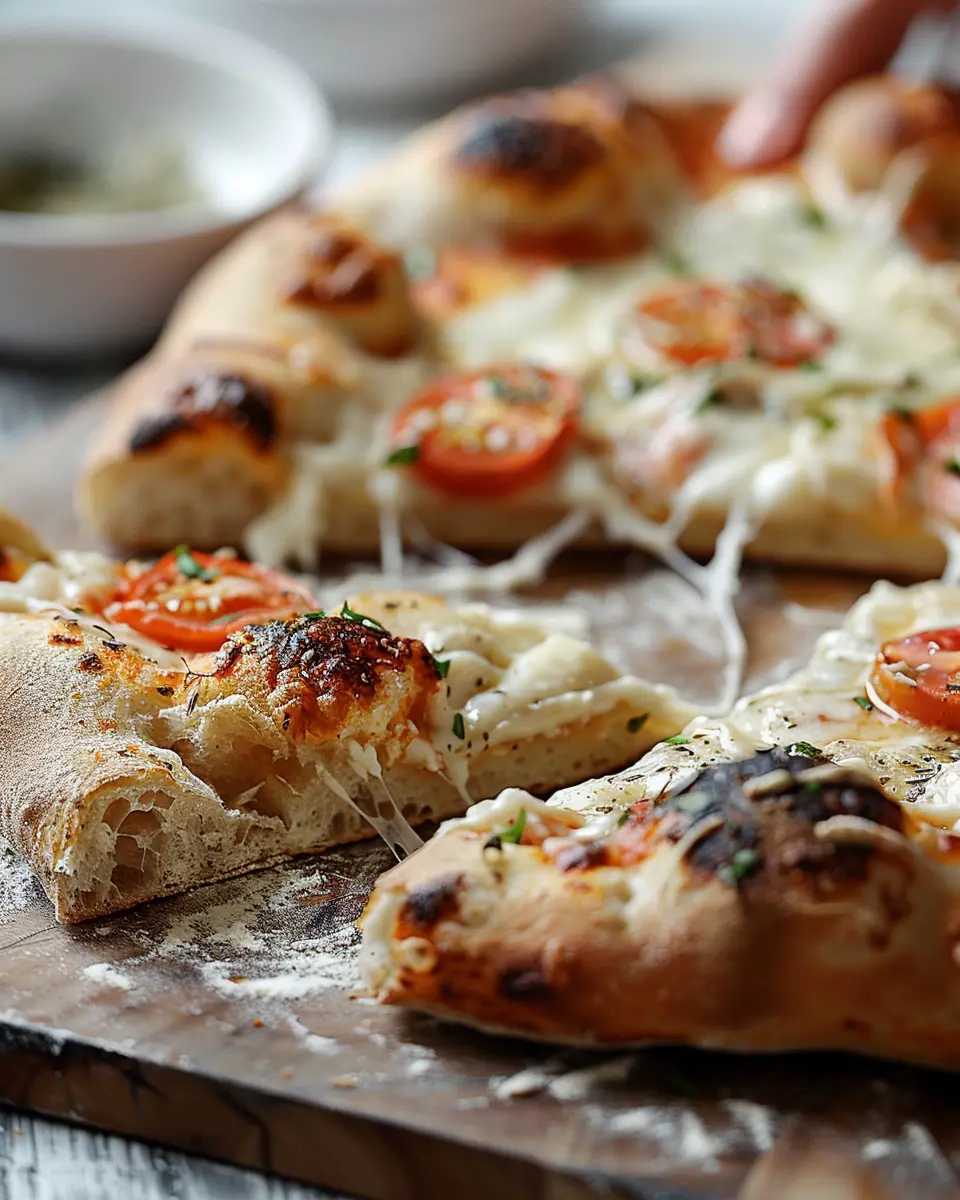
Serving suggestions for Artisan Pizza Dough
Creative topping ideas
When it comes to creating your masterpiece with artisan pizza dough, the sky’s the limit! Here are some unique topping ideas that will elevate your pizza game:
- Mediterranean Delight: Top with grilled chicken ham, kalamata olives, feta cheese, and fresh spinach for a vibrant dish.
- Veggie Lovers: Load on seasonal vegetables, such as bell peppers, zucchini, and artichokes, drizzled with olive oil and a sprinkle of oregano.
- Gourmet Touch: Try turkey bacon or prosciutto with a poached egg on top for a brunch-worthy treat!
- Sweet and Savory: Experiment with pear slices, gorgonzola cheese, and walnut pieces paired with a drizzle of honey for a perfect balance.
Dipping sauces to complement your pizza
A great pizza deserves equally delightful dipping sauces. Here are some ideas to enhance your artisan pizza dough experience:
- Classic Marinara: A rich, homemade marinara sauce loaded with herbs and garlic is always a hit.
- Spicy Aioli: Mix mayonnaise with garlic and a bit of Sriracha for a creamy kick.
- Pesto Dip: Basil or sun-dried tomato pesto brings a fresh and aromatic touch to each slice.
Feeling adventurous? Check out this guide for more experimentation ideas! Consider how each sauce can add a new dimension to your pizza night—what will you choose?
Time breakdown for Artisan Pizza Dough
Preparation time
Making artisan pizza dough is a rewarding endeavor, and it starts with just about 15 minutes of active preparation. This involves mixing your ingredients until they come together in a beautiful, cohesive dough. You might even find that a little bit of kneading is your workout for the day!
Rising time
The true magic happens during the rising stage. Allow your dough to rise for 1 to 2 hours at room temperature. This is where flavor develops and the dough becomes airy and light, perfect for that crispy crust we all love. If you’re feeling patient, you can let it rise in the fridge overnight for even deeper flavors.
Total time
In total, you’re looking at approximately 2 to 3 hours, plus any chilling time if you choose to refrigerate it. The hands-on work is minimal, leaving you to relax or prepare toppings while your dough does its thing.
For tips on enhancing your dough’s flavor, consider checking out Serious Eats, known for their deep dives into pizza-making techniques. Remember, the right timing and patience are key to achieving that perfect artisanal quality in every bite!
Nutritional Facts for Artisan Pizza Dough
Calories per Serving
When diving into the world of artisan pizza dough, knowing what you’re putting on your plate is essential. Each serving has about 150 calories, making it a tasty yet manageable option for those looking to enjoy a slice without going overboard. It’s perfect for a mid-week treat or a weekend gathering.
Carbohydrates and Protein Content
Packed with flavor, this artisan pizza dough is also rich in essential nutrients. You’ll find approximately 30 grams of carbohydrates in a serving, primarily sourced from high-quality flour. It offers about 4 grams of protein, giving you a satisfying base for your favorite toppings, whether it’s fresh veggies, turkey bacon, or chicken ham.
For a healthy dose of information on the benefits of these macronutrients, you can check out Harvard Health. So go ahead, indulge in that slice or two, knowing you’re making a delicious, if not perfectly balanced, choice!
FAQs about Artisan Pizza Dough
How can I make my pizza dough rise faster?
If you’re in a hurry and need your artisan pizza dough to rise quickly, here are a few tips to speed things up:
- Warm Environment: Place your dough in a warm area—about 80°F (27°C) is ideal. You could even turn on your oven briefly, then turn it off, placing the dough inside.
- Yeast Activation: Use warm water (but not too hot!)—around 110°F (43°C)—to activate your yeast more effectively.
- Add Sugar: A tiny pinch of sugar will feed the yeast and help it work quicker.
For more expert insights on yeast and dough rising, you might check out this handy guide from King Arthur Baking.
Can I freeze artisan pizza dough?
Absolutely! Freezing artisan pizza dough is a great way to have it on hand for a quick meal. To freeze:
- Shape the Dough: Form it into a ball.
- Wrap It Up: Place it in a plastic bag and squeeze out the air before sealing.
- Label and Freeze: Mark the date and pop it in the freezer. It’ll last up to three months.
When you’re ready to use it, just thaw it in the fridge overnight, then let it rest at room temperature for about 30 minutes before stretching.
What’s the best flour to use for artisan pizza dough?
For that perfect crust, go for high-protein flour. Here are some excellent choices:
- All-Purpose Flour: Great if you’re starting out.
- Bread Flour: Higher protein content leads to chewier crusts—perfect for artisan pizza dough.
- 00 Flour: This Italian fine flour is ideal for traditional Neapolitan pizza. It gives a lovely texture and flavor.
Choosing the right flour is crucial for achieving that delicious, bubbly crust you envision. For a deeper dive into flour types, check out this resource from Food52.
Conclusion on Artisan Pizza Dough
The joys of homemade artisan pizza
Creating your own artisan pizza dough is a rewarding experience. There’s nothing quite like the aroma of freshly baked dough wafting through your kitchen, promising a meal made with love. You have full control over the ingredients, allowing you to tailor the flavor and texture to your liking.
Think about it: you could whip up a delicious pizza topped with fresh veggies, turkey bacon, or even chicken ham. Plus, you get to impress friends with your culinary skill! Want to elevate your pizza further? Consider trying unique toppings or even experimenting with different types of flour. Homemade artisan pizza dough opens up a world of creativity. If you’re curious to learn more about crafting artisan foods, check out the resources from the Artisan Bread Institute for inspiration!
PrintArtisan Pizza Dough Recipe: Easy Steps for Perfect Crust at Home

Learn how to make perfect artisan pizza dough at home with this easy recipe.
- Prep Time: 15 minutes
- Cook Time: 15 minutes
- Total Time: 1 hour 30 minutes
- Yield: 2 pizza crusts 1x
- Category: Pizza
- Method: Baking
- Cuisine: Italian
- Diet: Vegetarian
Ingredients
- 2 cups all-purpose flour
- 1 teaspoon salt
- 1 teaspoon sugar
- 1 packet active dry yeast
- 3/4 cup warm water
- 1 tablespoon olive oil
Instructions
- In a mixing bowl, combine warm water and sugar. Sprinkle yeast on top and let it sit for 10 minutes.
- Add flour, salt, and olive oil to the yeast mixture. Mix until a dough forms.
- Knead the dough on a floured surface for about 5 minutes.
- Place the dough in a greased bowl, cover, and let it rise for 1 hour.
- Punch down the risen dough and shape it into a ball. Let it rest for 10 minutes before rolling out.
- Roll out the dough to your desired thickness and use it for your favorite pizza.
Notes
- For a crispier crust, bake on a preheated pizza stone.
- Feel free to add herbs to your dough for extra flavor.
Nutrition
- Serving Size: 1 pizza
- Calories: 250
- Sugar: 1g
- Sodium: 500mg
- Fat: 3g
- Saturated Fat: 0.5g
- Unsaturated Fat: 2g
- Trans Fat: 0g
- Carbohydrates: 48g
- Fiber: 2g
- Protein: 8g
- Cholesterol: 0mg
Keywords: Artisan Pizza Dough